Intentional Rest for ADHD: How Nature and Strategic Downtime Prevent Burnout
After years of being on the burnout cycle, I found something unexpected on the wild Kimberley coast: intentional rest isn’t wasted time—it’s the spark for real growth, especially for ADHD minds.
Intentional Rest for ADHD Burnout
What My Time on the Kimberley Coast Revealed about Recharging, Overcoming Burnout, and Creating Space for Personal Growth
Have you ever looked out at a landscape so vast and beautiful that your worries immediately felt like tiny grains of sand?
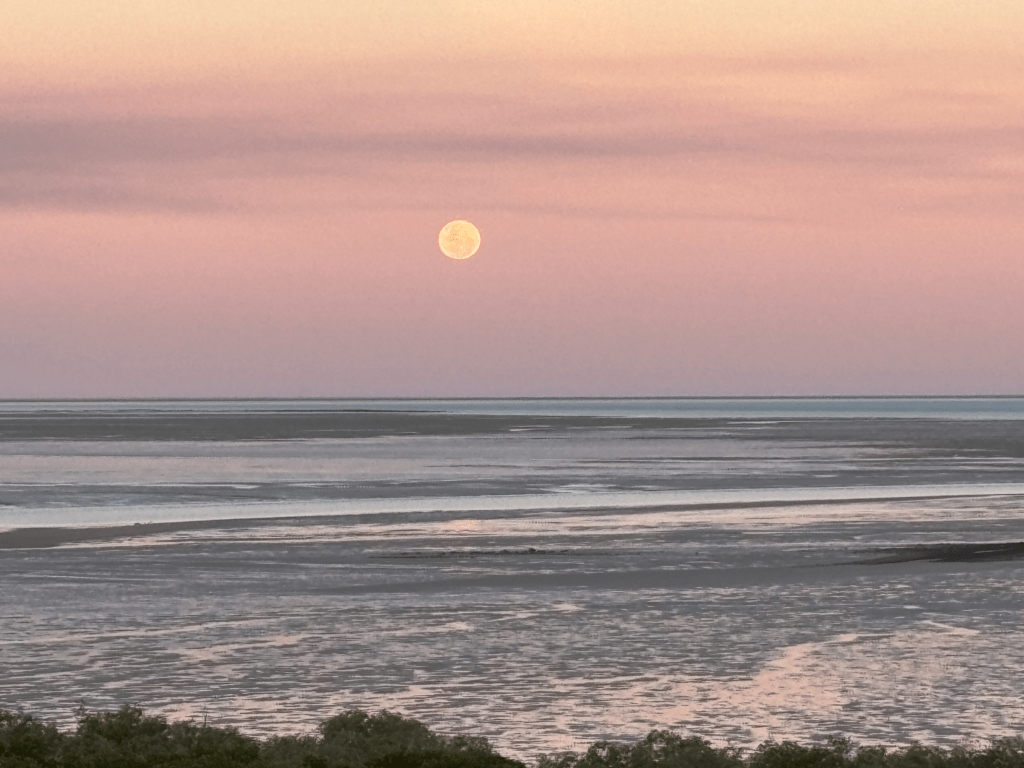
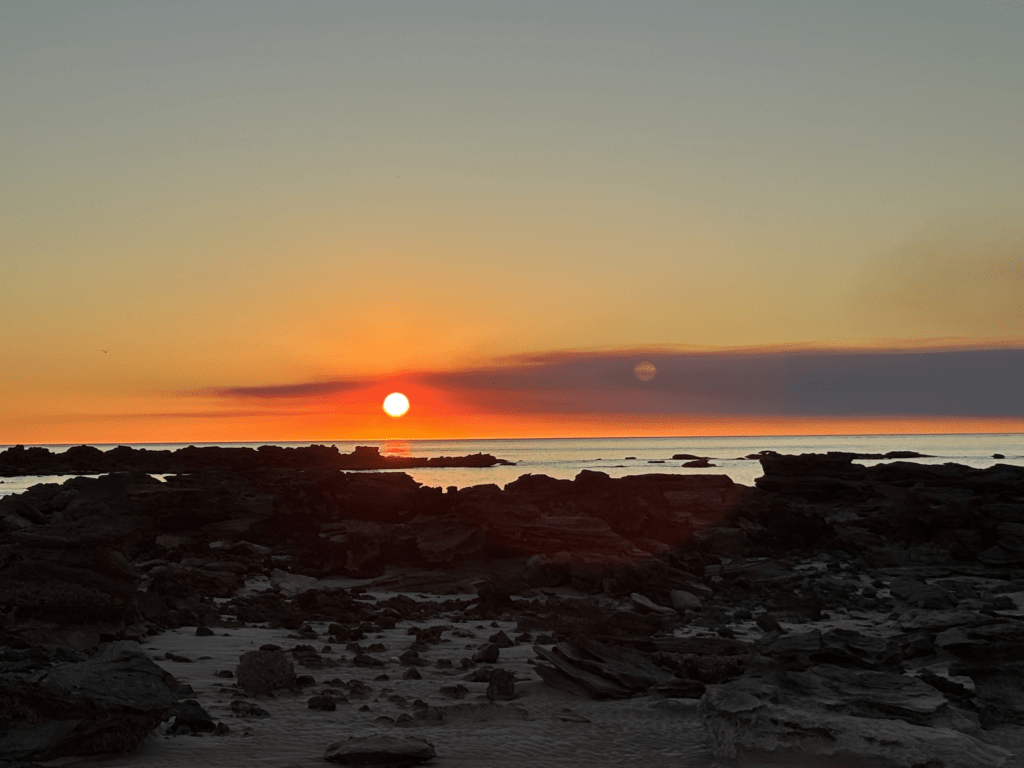
That was my experience recently along the coast of the Kimberley region in Western Australia. I stood where deep, fiery red earth and rocks met, long outstretched white sand and the stunning blue ocean. In that place, I felt something I hadn’t realised I needed: the absolute peace of zero expectations.
Walking alone in those wide-open spaces, with only the sound of the tide and the infinite horizon, I had a realisation. In our complex lives—especially when building a business, hitting goals, or supporting relationships—we believe that becoming more means always doing more. We treat our minds like machines that never cool down, running on a hamster wheel until we hit a wall.
But true transformation doesn’t happen in the grind. It happens when we intentionally step away.
1. Intentional Rest vs. Accidental Rest (And the ADHD Brain)
When we are truly exhausted, our default is often “accidental rest.” We collapse on the couch, scroll social media, or watch TV without thinking. While it feels like rest, our brains still process too much information, noise, and comparison. This doesn’t actually recharge us.
This is especially true for those with ADHD or highly active, entrepreneurial minds.
An ADHD brain constantly works to filter distractions, regulate attention, and manage tasks like planning and organising. Because of this, sitting quietly or taking standard breaks can feel boring. The mind may spin faster, leading closer to burnout.
The Science of “Green & Blue Time”: Pioneering research by environmental psychologists like Kuo and Taylor found that immersion in natural, open environments drastically reduces attention fatigue. For an ADHD brain, nature acts as a reset button. Spaces like a vast coastline engage our attention gently, without demanding effort, so the brain’s executive control centre can rest and repair.
Intentional rest isn’t just about stopping; it’s about choosing a completely different, low-stakes environment that gives your brain permission to unclench.
2. Rest is More Than Sleep: The Three Types We Actually Need
To truly break the burnout cycle and step into the next best version of yourself, rest needs to be multi-dimensional.
On my trip, I realised that real recovery requires three distinct types of rest:
Sensory and Cognitive Rest
(The Ocean Edge)
Our daily lives are full of sensory overload—pings, emails, decisions, and screens. Walking alone where the red earth meets the turquoise sea brings “soft fascination.” The rhythm of the waves and the ocean’s vastness calm the mind, clearing out noise and mental fatigue.
Creative Rest
(The Joy of Trying New Things)
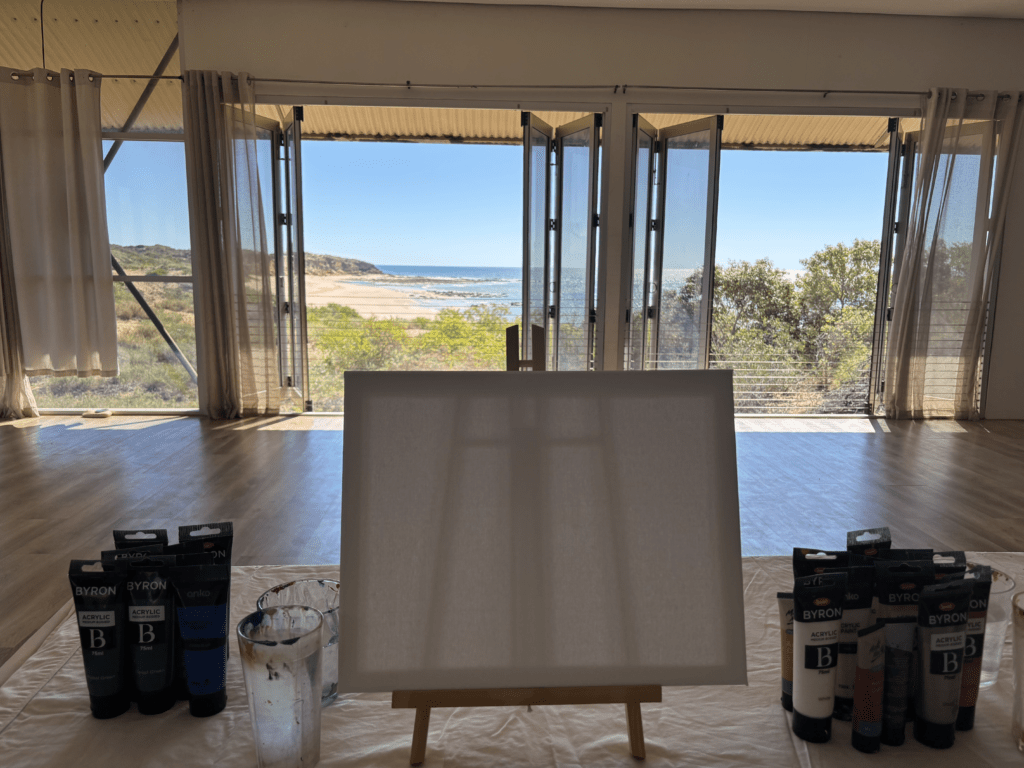
When we are burnt out, our creativity dries up, and we get stuck in rigid, protective routines. Trying new things on a holiday—whether it’s following a coastal track you’ve never seen, painting a landscape for the very first time, or learning about the ancient history of the Kimberley coast—sparks new neural pathways. It reawakens your sense of wonder and gives you fresh perspective to bring back to your life and business.
Emotional Rest
(Disconnecting from Expectations)
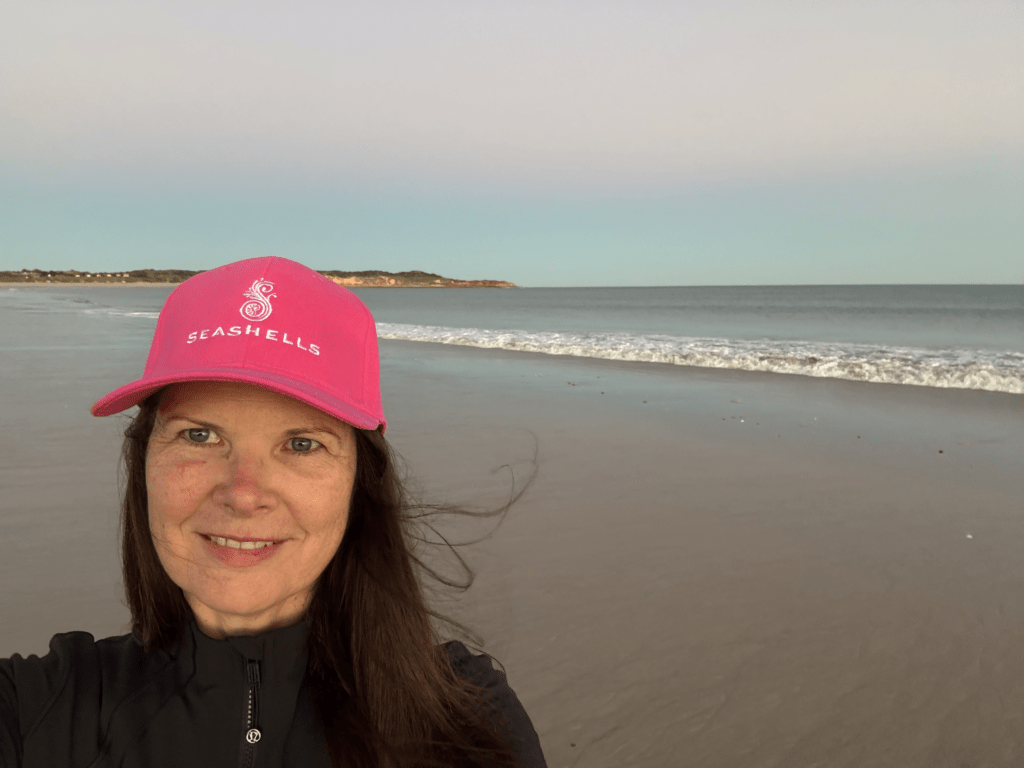
This is the freedom to drop the script. In work and relationships, we carry the weight of our roles: leader, partner, fixer. Walking onto a wild beach lets you shed those layers. With no one to perform for, you can finally disconnect from expectations and just be.
3. Alignment: Space is the Strategy
To become the person you want to be in your life and relationships, find your way to stop reacting to the daily chaos.
Mentally free by the ocean, away from noise, I found a way to stop reacting and to ask the bigger questions.
What am I holding on to that no longer serves me?
What can I let go of that makes space for something new?
Intentional rest is not time lost; it is the strategic reset that fuels clarity, resilience, and meaningful progress toward the powerful person you can be.
The coastal Kimberley wasn’t just a holiday. It reminded me that we cannot grow if we do not breathe. If you’re close to burnout and trying to push to the next level, take this as your sign to step away. Unplug. Find open space, try something new, and leave expectations behind. You might find the person you hope to become is waiting where the red earth meets the sea.